
Tips and tricks on bunny care

There is no doubt that bunnies make wonderful pets. However, they require regular care and attention to ensure their health and happiness.

- Housing
- Creating a safe and comfortable habit and home is crucial:
- Cage Size: The cage should be at least four times the size of the bunny when fully stretched out. A minimum size of 2 feet by 4 feet is recommended for small breeds, but larger breeds need more space.
- Bunny-Proofing: Ensure the area is free of hazards like electrical cords and toxic plants. Bunnys love to chew, so provide chew-safe toys.
- Bedding: Use Coco’s and Peaches pet bedding. Avoid cedar or pine shavings, as they can be harmful to bunnies and small animals.
- Breed
- Before bringing your new furry friend home, consider the following:
- Breed: Bunnies have different breeds varying in sizes, temperaments, and care needs. Do the necessary research on breeds like the Holland Lop, Netherland Dwarf, and Mini Rex to find one that best suits your lifestyle.
- Age: Younger bunnies are often more energetic and may require more training and attention, while older bunnies can be calmer and more settled.
- Adoption: opt to adopt don’t shop, consider adopting from a local shelter or rescue organization. Many bunnies in need of homes are looking for loving families.
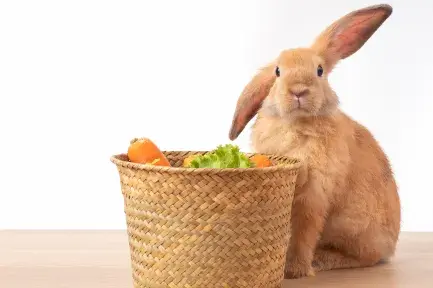
- Diet
- A balanced diet is very important for your bunnies health:
- Hay: Unlimited access to fresh hay is essential for digestion and dental health. Try the including the following into their diet and everyday life for a happy health:
- o Timothy
- o Orchard grass
- o Meadow hay
- Fresh Vegetables: Introduce leafy greens gradually. Popular and healthy options include romaine lettuce, kale, cilantro, and parsley. These vital greens in their diet provides vitamin A that supports vision and immune function. Vitamin K is important to prevent blood clotting. Vitamin C boosts the immune system. Calcium is necessary for strong bones and teeth and finally, fibre promotes healthy digestion.
- Pellets: High-quality bunny pellets should be offered in moderation, focusing on those high in fibre and low in protein.
- Treats: Offer fruits like apples and bananas in small quantities as occasional treats.
- Health Care
- Regular health checks and veterinary care are important:
- Spaying/Neutering: This helps prevent behavioural issues and unplanned litters. It can also reduce the risk of certain health problems.
- Routine Check-Ups: Schedule annual vet visits to monitor your bunny's health. Look out for signs of illness such as changes in appetite, behaviour, or litter box habits.
- Grooming: Depending on the breed, regular brushing may be necessary to prevent matting. Check ears and teeth regularly for any issues.
- Health Care
- Regular health checks and veterinary care are important:
- Spaying/Neutering: This helps prevent behavioural issues and unplanned litters. It can also reduce the risk of certain health problems.
- Routine Check-Ups: Schedule annual vet visits to monitor your bunny's health. Look out for signs of illness such as changes in appetite, behaviour, or litter box habits.
- Grooming: Depending on the breed, regular brushing may be necessary to prevent matting. Check ears and teeth regularly for any issues.
- Socialization and Exercise
- Bunnies are social animals that thrive on interaction and lots of attention:
- Playtime: Allow your bunny time outside its cage daily to explore in a safe and secure area. It is considered beneficial to create a bunny-proofed playpen for safe and worry-free exploration.
- Bonding: Spend time with your bunny to build trust. Gentle handling and positive reinforcement can help them feel comfortable with you and strengthen the bond. Remember they are part of your life for a while, but you are their whole life.
- Companionship: Consider getting a second bunny for companionship but introduce them slowly and carefully to ensure they get along.


Contact
- 072 901 6150
- info@cocoandpeaches.co.za
- Van Dyk secure business park, 249 Brakpan Rd, Boksburg